Lookalike Audiences vs Predictive Audiences in 2025: What’s the Mind-Blowing Difference and Which Should You Use?

Let’s clear something up. If you’re a performance marketer and you’ve ever said, “Yeah, we’re using predictive audiences,” but what you actually mean is lookalike audiences — this article’s for you.
Because while the two sound similar, they’re built differently, they behave differently, and—most importantly—they solve different marketing problems.
And if you want to scale smarter, lower your CAC, and make your media budget work harder (and who doesn’t?), it’s time to get clear on what’s what.
Let’s break it down.
What Is a Lookalike Audience? (Quick Recap)
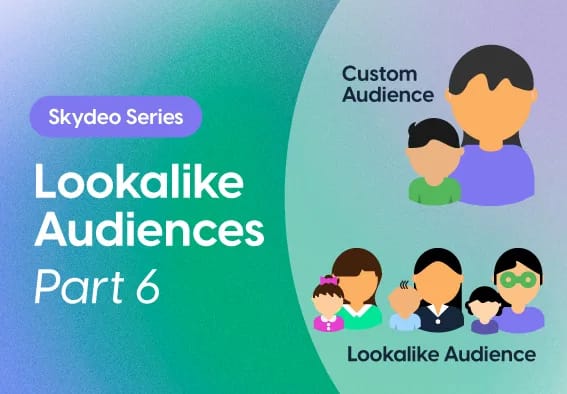
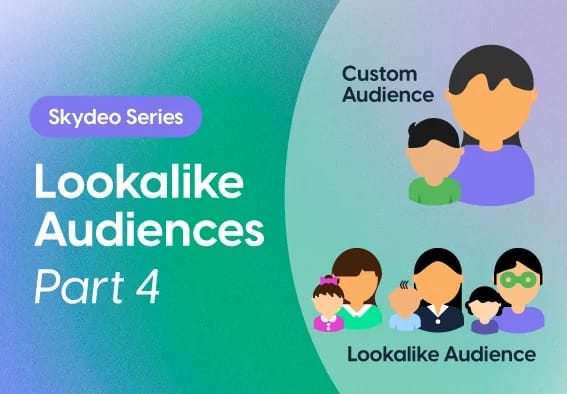
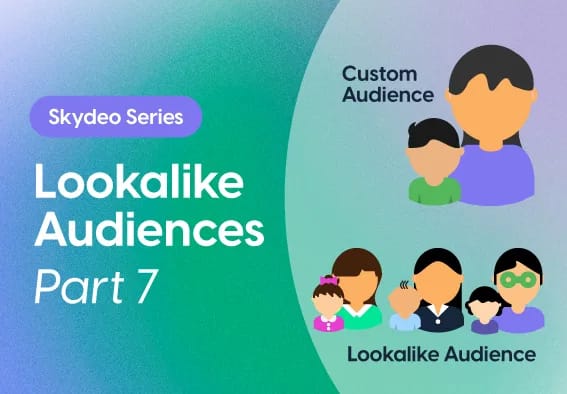
Lookalike audiences are exactly what they sound like: audiences made up of people who look and act like your best customers.
You start with a seed audience—say, your top 1,000 purchasers—and a model finds new people with similar behaviors, traits, and intent signals. These are often used in paid social, programmatic, or CTV to reach net-new prospects who are statistically similar to the ones already converting.
A lookalike audience is built on past behavior, trained on similarity and used to scale.
For example, a DTC vitamin brand can use first-party purchase data from their Shopify store to build a seed audience of top subscribers. Then they can model a lookalike segment to run ads on Meta, targeting people who match on app usage, age range, health interests, and income level. ROAS climbs, CAC drops.
What Is a Predictive Audience?
Now here’s where it gets more interesting.
Predictive audiences use machine learning to forecast future behavior, not just match on historical traits. Instead of saying, “Find me people who look like this group,” you’re asking, “Find me people who are likely to do X—buy, churn, unsubscribe, click, upgrade.”
This is where AI kicks in. It analyzes real-time and historical signals to predict what’s going to happen next. You’re not just guessing based on similarity—you’re betting on intent.
For example an ecommerce brand can use predictive modeling to build an audience of customers likely to repurchase within 7 days. This segment powers an automated email campaign with replenishment offers—and it crushes the generic “15% off” promo blast in both open and conversion rates.
Lookalike vs Predictive
Here’s how Lookalike and Predictive Audiences compare side-by-side:
| Lookalike Audiences | Predictive Audiences | |
| Goal | Find more customers like these | Find customers likely to take action |
| Based on | Historical behavior of seed audience | Predicted future behavior |
| Main use case | Top-of-funnel acquisition | Top, Mid and bottom-funnel personalization |
| Tech required | Seed audience + modeling engine | AI/ML platform + behavioral signals |
| Built from | Customers who did something | Customers who will do something |
In other words: Lookalikes = more of the same, Predictive = more of what works next
When to Use Lookalike Audiences
Lookalike modeling shines when you want to scale what’s working.
This is your go-to for net-new acquisition campaigns, especially if you’ve already nailed your creative and want to open up a larger pool of qualified prospects.
Use Lookalikes when you:
- Have a solid seed list of converters or subscribers
- Are launching in a new market or channel
- Want to expand retargeting without relying on cookies
- Need to scale top-of-funnel without going totally broad
Some examples:
- Retail: Use lookalikes of your top 10% of holiday buyers to run new-season campaigns on TikTok.
- CPG: Model audiences based on app users who scanned in-store QR codes to find others likely to convert in brick-and-mortar.
- Financial Services: Build a lookalike of recent app sign ups and push it into CTV to drive acquisition at lower CPAs.
When to Use Predictive Audiences
Predictive modeling is your secret weapon for personalization, upsell, churn prevention, and smart retargeting. This is where lifecycle marketing gets a major upgrade. You’re not just reacting—you’re anticipating.
Use Predictive Audiences when you:
- Want to boost LTV through smarter retention
- Need to know who’s most likely to buy today
- Want to suppress low-intent users to save budget
- Are building dynamic content based on real behavior
Some examples:
- Auto: Identify users likely to book a test drive in the next 7 days and serve a local dealer promo on CTV.
- Healthcare: Segment email audiences by churn risk and trigger appointment reminders before drop-off.
- Beverage/CPG: Predict high-replenishment shoppers and use direct mail to time coupon delivery right before restock.
Can You Use Both? (Spoiler: You Should)
This isn’t a cage match. You don’t have to choose one or the other.
In fact, the smartest marketers are using both:
- Start with lookalikes to fill the top of the funnel with net-new people who resemble your best customers.
- Layer in predictive models to guide what messages they see, when they see them, and which channel you use to reach them.
For example a skincare brand can build a lookalike audience from VIP buyers and serve them awareness ads on Meta. Once a user hits their site, they’re scored by purchase likelihood and dropped into predictive life cycle flows based on churn risk and product affinity.
Result? More qualified traffic, smarter retargeting, and higher LTV.
So… which should you use?
- If your goal is to scale, acquire, and find more people like the ones already buying, start with lookalike audiences.
- If your goal is to predict, personalize, or optimize, lean into predictive audiences.
- If your goal is growth, efficiency, and channel-agnostic marketing, use both—and connect them with clean, real-time data.
Want to build smarter audiences that work across every channel?
Get started with Skydeo Audience Marketplace (SAM) — it’s free and gives you instant access to 30,000+ predictive audience segments.
Ready to Dive Deeper?
How Lookalike Modeling Works: The Data, The Math, and the Machine Learning Behind It
The Best Data for Lookalike Modeling (And Where to Find It)
Facebook Lookalikes Aren’t Enough: Why Brands Need Portable Lookalike Audiences
5 Mistakes Marketers Make with Lookalike Audiences (and How to Fix Them)
Lookalike Modeling for B2B: Does It Work and How Should You Do It?