The Lookalike Modeling Handbook: What It Is, How It Works, and Why It’s a Must-Have for Modern Marketing in 2025
Let’s talk about one of the best-kept secrets in growth marketing: Lookalike Modeling.
It’s not new. It’s not flashy. But it works—if you do it right. Lookalike modeling has quietly become one of the most powerful ways to scale your campaigns and acquire better customers—without lighting your ad budget on fire chasing the wrong people.
The best marketers in the world aren’t guessing who to target. They’re not relying on broad demos or spray-and-pray ads. They’re using machine learning, real customer data, and predictive signals to find more people like their best customers.
That’s lookalike modeling in a nutshell. And no, it’s not just a Facebook feature. It’s not just for DTC. It’s a cross-channel growth play—from paid social to programmatic to CTV to direct mail—and one every performance marketer should have in their toolbox.
If you’ve ever thought, “I wish I could just find more people like my best customers,” you’re in the right place. In this guide, we’ll break down everything you need to know—What it is. How it works. When it works. When it doesn’t. And the tools you need to make it happen.
Let’s dive in.
What Is Lookalike Modeling?
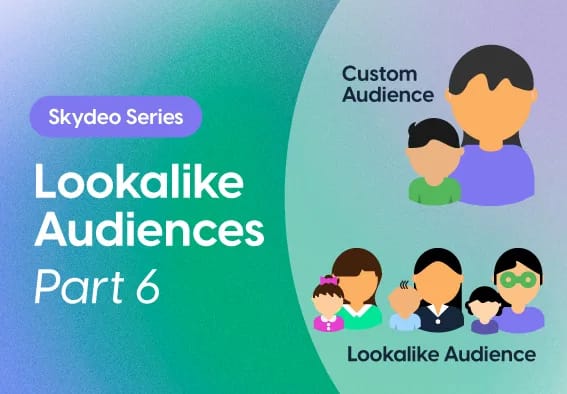
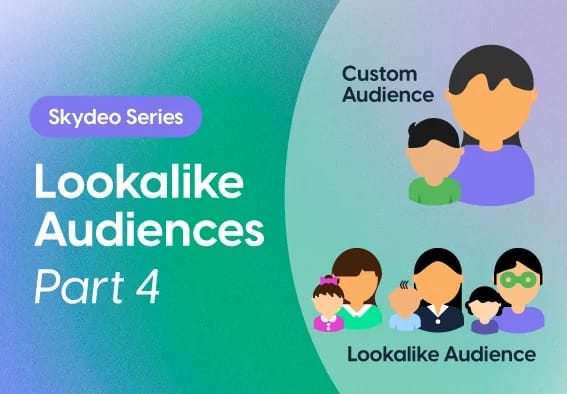
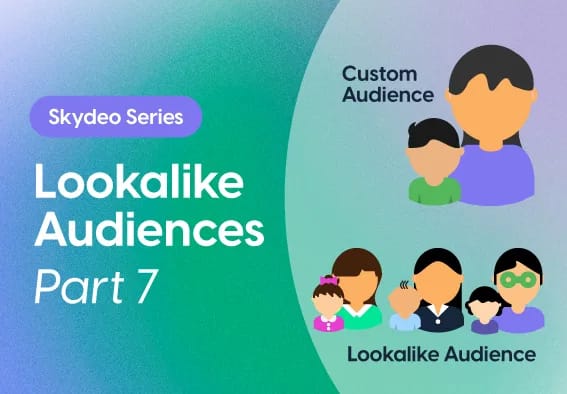
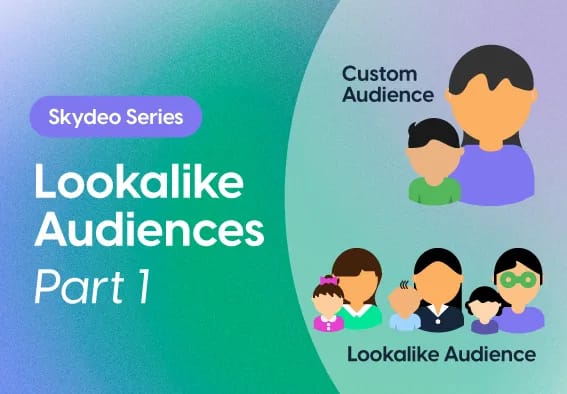
At its core, lookalike modeling is the process of finding more people who look and act like your best customers.
Think of it like this: You already know who your VIPs are—the people who buy the most, engage the most, and stick around the longest. Lookalike modeling uses machine learning to analyze that group (your seed audience) and find new people who share similar traits, behaviors, and intent signals.
That means, you’re not guessing. You’re using deterministic data and predictive signals to scale what’s already working. This is different from traditional demo-based targeting (age, gender, ZIP code) or interest targeting (“likes yoga”). It’s deeper. It’s smarter. And it’s based on real customer behavior.
Why Should You Care?
Lookalike modeling isn’t just some theoretical tactic—it’s one of the most practical, high-ROI strategies you can use to scale customer acquisition efficiently.
Higher-Quality Leads Without the Guesswork
Lookalike modeling helps you target prospects who are more likely to engage, convert, and become loyal customers—because they already look and act like your best ones. That means less wasted spend on people who were never going to buy in the first place.
For example, a B2C skincare brand can use lookalike modeling to target high-LTV shoppers who share key behaviors with their top customers—like high purchase frequency and interest in clean beauty products. The result? Higher conversion rates and lower CAC.
Smarter Spend
Instead of blowing your budget on broad, spray-and-pray targeting, lookalike audiences help you zero in on segments with a higher probability of conversion—stretching your media dollars further.
For example, a financial services company running CTV ads can use lookalike audiences to model people who had downloaded their app and completed an application. Compared to interest-based segments, this can significantly lower cost-per-acquisition.
Better Scale
Once you’ve maxed out your core audience, lookalike modeling gives you a way to scale intelligently—by finding more people like your best customers, not just “more people.”
For example, a CPG brand selling direct-to-consumer snack boxes can use first-party data from their loyalty program to build a seed audience, then use a lookalike model to find new buyers on TikTok, scaling their audience reach while maintaining a stable ROAS.
Faster Testing & Iteration
Lookalike audiences give you a pre-qualified test group. Instead of testing creatives or channels on a random sample, you can test against an audience that already matches your top customer profile. That means faster learning and better feedback loops.
For example, a healthcare company launching a new telemedicine product can test creative variations against a lookalike audience of prior high-engagement users to identify a winning message in half the time compared to testing against a general audience.
More Personalized Campaigns
Lookalike modeling helps you segment based on real traits—not just demographics. When you know what makes your best customers tick, you can build lookalikes and tailor campaigns that resonate across channels.
For example, a retail brand running email + programmatic campaigns can use lookalike segments based on location visits and app behavior to personalized creative by geography and shopping habits, leading to a significant lift in CTR and store visits.
More Efficient Prospecting Without Walled Gardens
Platform-based lookalikes (like Facebook or Google) lock you into their ecosystem. With the right data partners, you can build portable lookalike audiences that work across programmatic, social, email, direct mail, and even CTV.
For example, an automotive brand can build a lookalike model based on mobile location data of people who had visited their dealerships, then activate that audience across Meta, programmatic, and CTV to create a campaign—without being stuck in a single platform.
How to Build a Great Seed Audience
This is the most underrated—and most important—step in the whole process.
Garbage in = garbage out.
Here’s how to do it right:
- Define your best customers: High LTV, frequent buyers, low churn, etc.
- Clean your data: Remove duplicates, outdated entries, or noise.
- Segment by behavior: Go beyond demographics—look at purchase patterns, campaign responses, visit recency, etc.
For example, a beverage company might segment their seed audience as people who purchased non-alcoholic SKUs at least 2x in the last 60 days and engaged with a summer campaign email.
Your model is only as good as your seed. Spend time here.
How Lookalike Modeling Works (in Plain English)
Let’s break it down step-by-step:
Step 1: Build Your Seed Audience
Start with your best customers. This could be:
- Repeat buyers
- High LTV customers
- Recent converters
- App users who engaged 3+ times in 30 days
- In-store visitors tracked via mobile location data
The better your seed audience, the better your model.
Step 2: Enrich the Data
Next, append additional data to your seed audience.
This could include:
- App usage
- Purchase behavior
- Demographics
- Location history
- Device data
- Content consumption
- Income or lifestyle segmentation
Step 3: Train the Model
This is where machine learning comes in. The model identifies the shared attributes across your seed audience—things like visiting the gym 3x a week, owning a certain credit card, or using three competing skincare apps.
It then scores the broader population based on how closely they match.
Step 4: Select the Right Audience Size
You can prioritize precision (smaller audience, closer match) or scale (broader audience, more reach). There’s a trade-off between reach and quality—but the model can adapt based on your goals.
Step 5: Activate Across Channels
Once your lookalike audience is built, you can push it into:
- Meta (Facebook/Instagram)
- TikTok
- Programmatic (via The Trade Desk, DV360, etc.)
- CTV
- Direct mail
When Lookalike Modeling Works Best (and When It Falls Flat)
Not every campaign is a perfect fit for lookalike modeling.
Here’s when it works like magic
- New customer acquisition campaigns
- Launching into a new market or region
- Retargeting expansion when standard remarketing pools are too small
- Scaling proven campaigns to new channels (i.e. from Facebook to CTV)
- High LTV products where it’s worth finding the right customer, not just any customer
When It Falls Flat
- When your seed audience is too small (<500 people)
- When your data is messy, outdated, or irrelevant
- When you’re trying to target niche B2B buyers with low volume
- When you rely solely on a black-box model (like Meta’s default lookalikes) with no insight or portability
Privacy and Compliance: Do It Right
In a privacy-first world, lookalike modeling must be done with care:
- Use deterministic, consent-based data (Skydeo and LiveRamp specialize in this)
- Avoid PII unless you have explicit consent
- Refresh your data regularly to avoid modeling off stale signals
- Document your compliance for CCPA, GDPR, and evolving U.S. privacy laws
The Best Tools and Data Partners for Lookalike Modeling
If you’re building your own models, make sure you’re using the right partners.
Here’s who we recommend (and why):
| TOOL | STRENGTHS | BEST FOR |
| Skydeo | 30K+ predictive audience segments, portable lookalikes | Cross-channel activation, exact-alike modeling |
| LiveRamp | Data onboarding + modeling | Enterprise brands with 1st-party CRM data |
| Snowflake | Custom ML workflows | Advanced data teams building in-house |
| Salesforce CDP | Unified view of customers | Omnichannel retailers using CRM + email |
| Meta Lookalikes | Easy to use, but limited | Lower-funnel social campaigns |
What It All Comes Down To
Lookalike modeling is one of the most effective ways to scale customer acquisition and reach new audiences who are already primed to buy. But it’s not magic—it’s math, data, and machine learning done right.
The brands getting this right aren’t just relying on Facebook’s built-in tools. They’re combining predictive data, clean seed audiences, and flexible platforms to reach the right people—across every channel. They are beating interest-based or demo-only targeting in both performance and cost efficiency.
Lookalike modeling helps you find more customers like your best customers. If you’re serious about performance, audience quality, and long-term growth, it’s time to stop guessing and using lookalike models.
Want help building smarter audiences across every channel?
Sign up for Skydeo Audience Marketplace (SAM) — it’s free and gives you instant access to 30,000+ predictive audience segments to power your lookalike campaigns.
Ready to Dive Deeper?
Lookalike Audiences vs Predictive Audiences: What’s the Difference and Which Should You Use?
How Lookalike Modeling Works: The Data, The Math, and the Machine Learning Behind It
The Best Data for Lookalike Modeling (And Where to Find It)
Facebook Lookalikes Aren’t Enough: Why Brands Need Portable Lookalike Audiences
5 Mistakes Marketers Make with Lookalike Audiences (and How to Fix Them)
Lookalike Modeling for B2B: Does It Work and How Should You Do It?